Travel guide
China's High-Speed Rail: A Practical Guide for Foreign Travellers
Classes, stations, boarding and how to avoid the common mistakes
TransportPlanningRail
Classes, stations, boarding and how to avoid the common mistakes
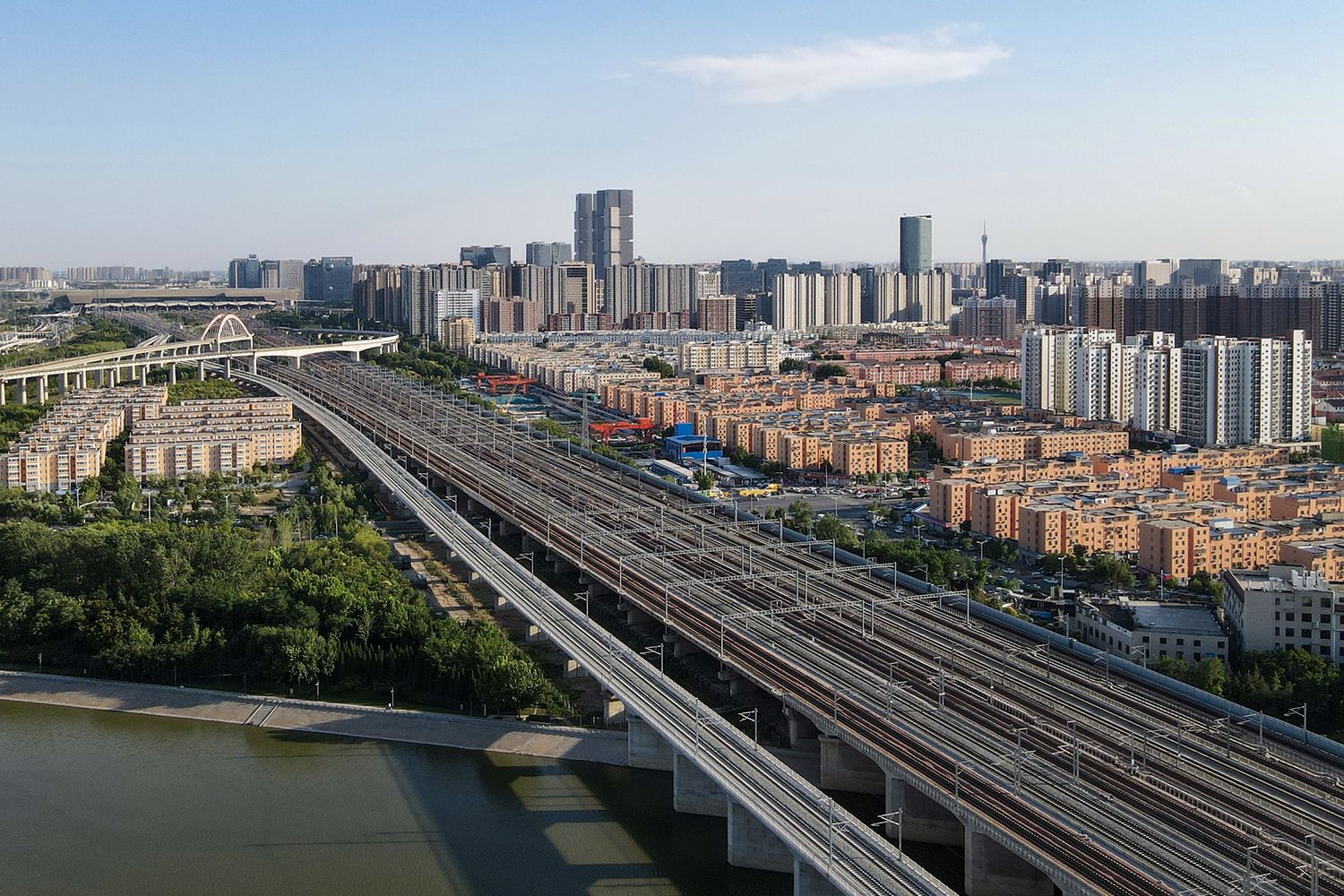
China's high-speed network is the largest in the world — over 40,000 km of track with trains running at 300 to 350 km/h. For most mid-distance journeys it beats flying outright once you count the airport transfer, check-in and the usual Chinese flight delays.
Beijing to Xi'an is 4.5 hours by rail. Beijing to Shanghai, 4.5 hours. Guangzhou to Guilin, 2.5 hours. Shanghai to Hangzhou, one hour. Trains run every twenty to thirty minutes on the main corridors, so missing one is not a disaster.
China's official booking system is 12306, which has an English app. It does now accept some foreign cards, but the acceptance is inconsistent by bank and country, and international payment failure is the most common reason independent travellers end up stuck.
Popular sectors on popular dates sell out weeks ahead. If you are travelling around Chinese New Year, the May holiday or the first week of October, assume your sector will sell out and book as early as the booking window allows.
We hold seats and issue tickets in your name, which also means the passport number is entered correctly. Tying a ticket to the wrong passport number is slow to fix and can lock you out of the gate.
Second class is the standard: five seats across, comfortable, perfectly adequate for journeys under three hours. First class is four seats across with more legroom and recline, and is worth the upgrade on journeys over four hours. Business class is excellent and rarely necessary. Sleeper berths only come into play on the long western routes where high-speed rail does not yet reach.
Families should know that seats are assigned in rows. We always try to keep groups together and will tell you honestly when a train's layout makes that impossible.
Your passport is your ticket. There is no paper ticket to collect. You scan your passport at the gate.
Arrive 30 to 45 minutes early at large stations. You go through a security scan and a passport check, and platforms close a few minutes before departure.
Check which station and which entrance. Beijing has multiple stations; Shanghai has Hongqiao and Shanghai Station; some stations have four entrances and the wrong one costs twenty minutes of walking. We send you the station name, the entrance letter and the platform in advance.
Do not bring certain items. Lighters, most aerosols and any liquid over 120 ml in carry-on will be confiscated. Power banks are fine.
We book train seats as a standalone service with no tour package required. Send the route, the date and the number of passengers, and we will quote the fare and hold the seats. For guests on a tour, the rail legs are simply part of the itinerary — we book them, brief you on the station, and meet you at the other end.

Tell us your dates, who is travelling and roughly what you want to see. Within 24 hours a China-based planner sends you a day-by-day itinerary with everything itemised — free, and with nothing to pay until you approve it.
Monday–Sunday, 09:00–21:00 Beijing time (UTC+8)
Free written itinerary within 24 hours