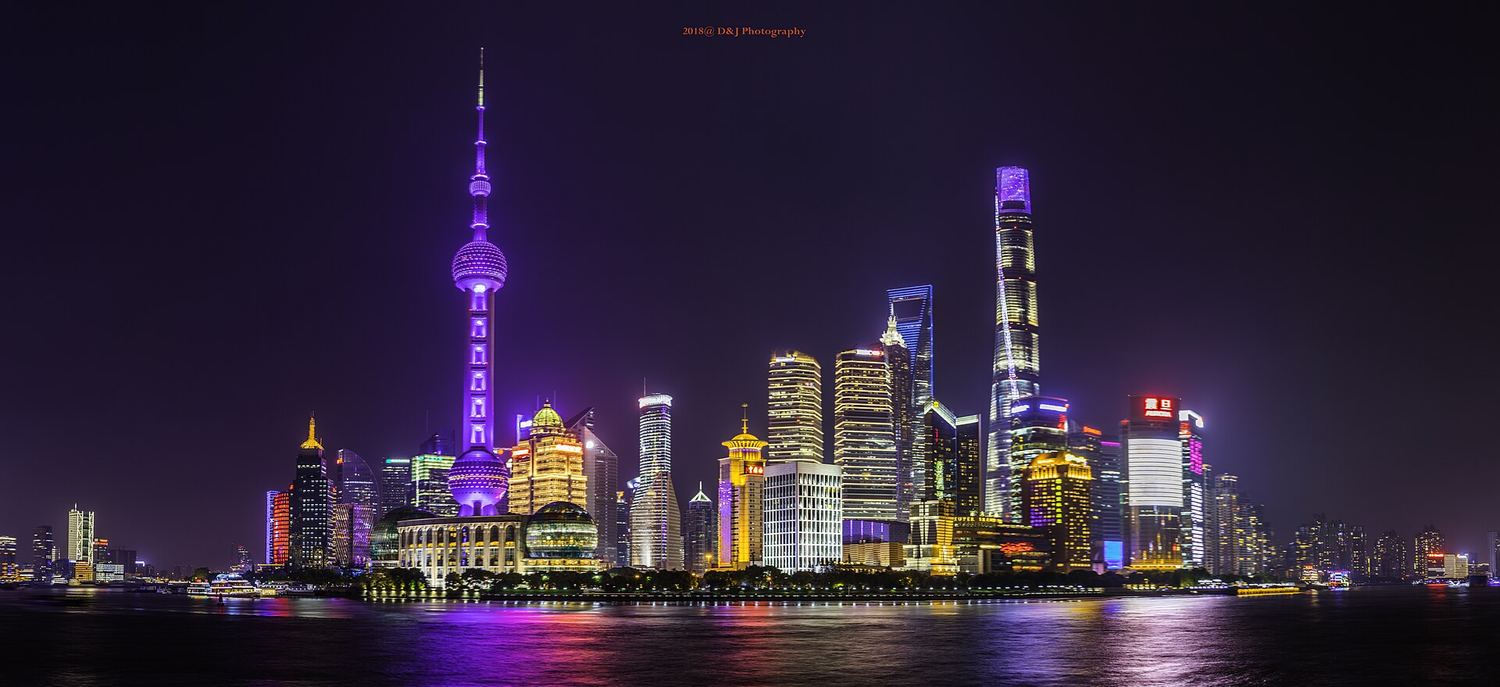
Shanghai or Beijing for a First Trip to China?
The two obvious entry points are completely different cities. Which one suits you depends on what you actually want from a first China trip.
Read the article →
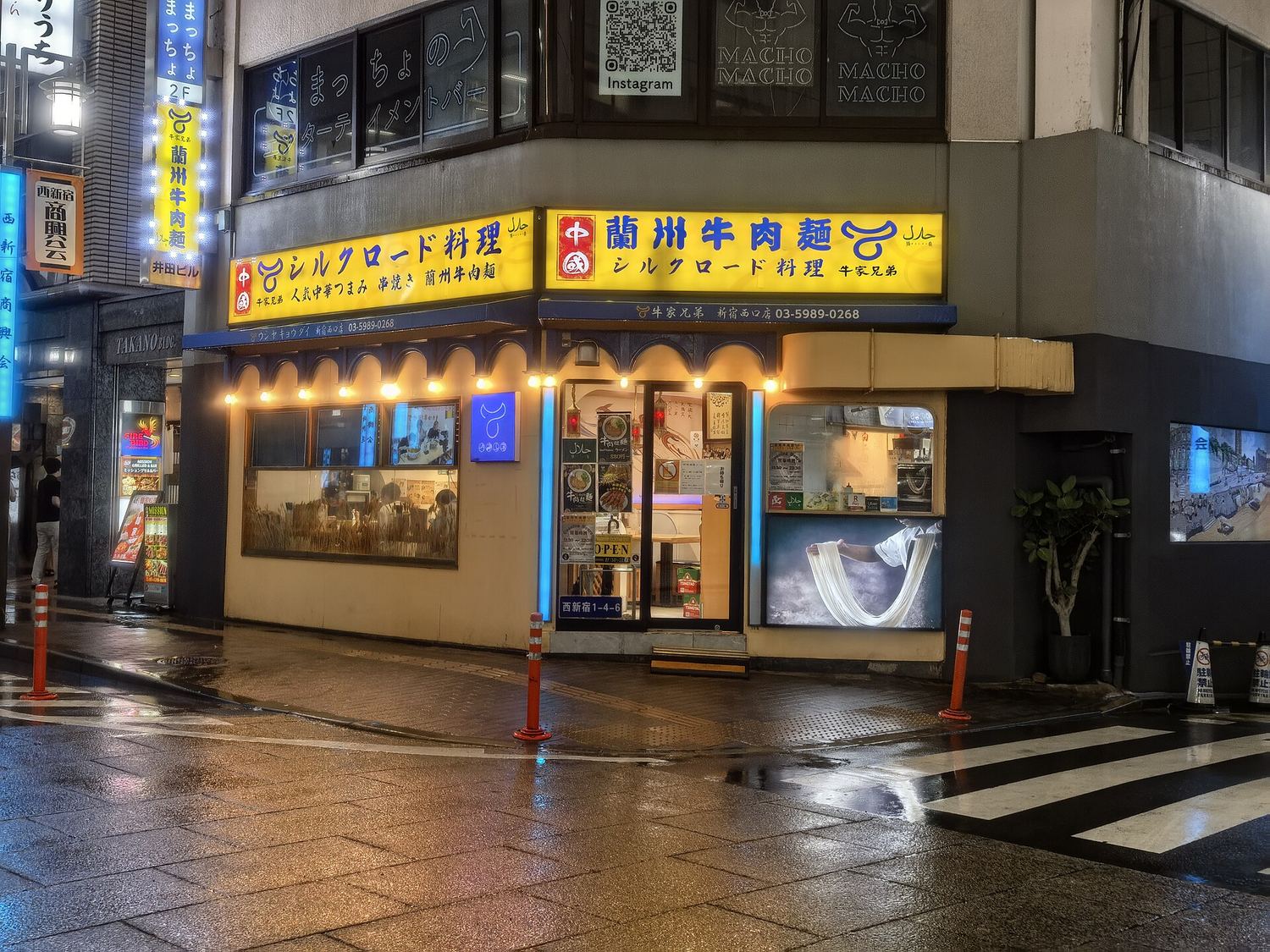
Guangzhou has China's best halal Cantonese food and a 1,300-year Muslim history. Where to eat, what to order, and what qingzhen really means.
Xi’an gets the reputation, and deservedly so, but for the sheer range of what you can eat, Guangzhou is the strongest city in China. It has a Muslim community that has been trading here since the Tang dynasty, a mosque founded in the 7th century, and — crucially — a Cantonese culinary culture that adapts unusually well to halal cooking.
Dim sum, steamed fish, roast meats, rice noodle rolls and congee all work in qingzhen versions. There are restaurants here where the entire menu is halal and you simply order whatever looks good, which is rare in China.
The marker is 清真 (qingzhen), on green signage, usually with Arabic script alongside. It means the kitchen is halal: no pork, no alcohol, meat from a certified source, separate utensils. Once you can recognise those two characters you can find halal food anywhere in China.
Around the Huaisheng Mosque and the surrounding streets of the old Muslim quarter, essentially every restaurant is qingzhen. Elsewhere in the city, ask your hotel to confirm before you go — or let us book, which is what most of our guests do.
Halal dim sum. The signature Guangzhou experience: a teahouse hall, a paper menu, and a dozen small dishes over two unhurried hours. Shrimp dumplings, rice noodle rolls, steamed buns, chicken feet if you are brave. Halal versions exist and are excellent.
Roast goose or roast duck. Guangzhou’s most famous dish, and qingzhen versions are available at Muslim-owned restaurants in the old quarter.
Cantonese steamed fish. The simplest and best thing on any Cantonese menu, and inherently halal.
Congee and rice noodle rolls. Breakfast staples, both naturally halal or easily made so.
Hand-pulled noodles and lamb skewers in the Hui-run restaurants around the mosque, a different tradition entirely and worth seeking out.
Timing. Dim sum is a morning meal in Guangzhou — go at 08:00, and by 10:00 the atmosphere has gone. Restaurants are busiest at lunch and dinner, and quieter and more relaxed mid-morning.
Prayer. The Huaisheng Mosque is one of the oldest in China and welcomes visitors outside prayer times. There are also mosques in the Xiaobei and Sanyuanli areas. We note prayer times and the nearest mosque on your daily itinerary.
Alcohol. Genuine qingzhen restaurants do not serve alcohol, which is worth knowing if you were planning a drink with dinner.
Every restaurant on your route is confirmed in advance — not assumed. Where we cannot guarantee a meal is halal, we say so in writing rather than letting you find out at the table. In Guangzhou we can book a fully halal Cantonese banquet, which is a genuinely unusual experience and one of the best introductions to the cuisine.

Tell us your dates, who is travelling and roughly what you want to see. Within 24 hours a China-based planner sends you a day-by-day itinerary with everything itemised — free, and with nothing to pay until you approve it.
Monday–Sunday, 09:00–21:00 Beijing time (UTC+8)
Free written itinerary within 24 hours