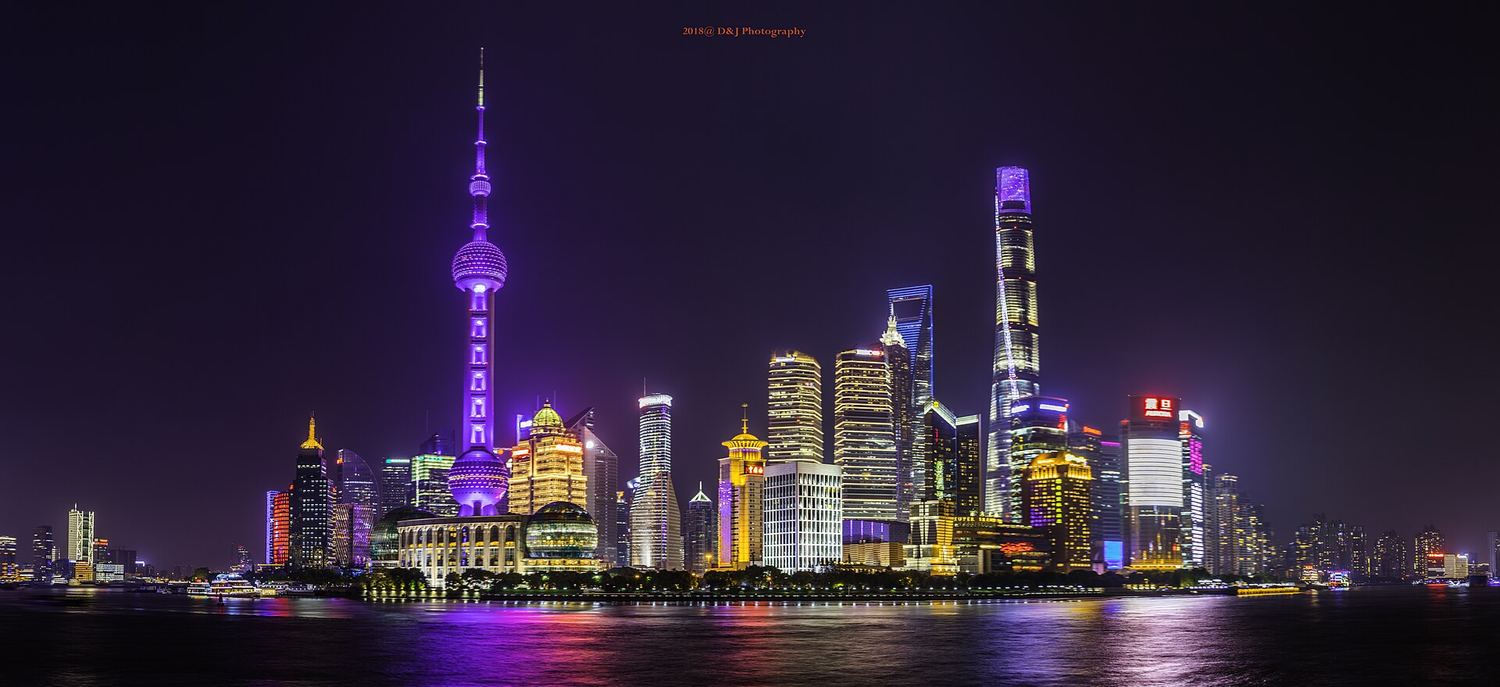
Shanghai or Beijing for a First Trip to China?
The two obvious entry points are completely different cities. Which one suits you depends on what you actually want from a first China trip.
Read the article →
Flights, hotels, food, trains and tours, broken down honestly in Ringgit. What actually drives the price up and which choices save the most.
Any site quoting a single price for “a China trip” is either selling you a fixed coach package or guessing. The spread between a budget seven-day trip and a comfortable two-week private journey is easily four to one, and almost all of it comes down to five decisions: how many cities, how many internal flights, hotel standard, group size and the season.
What we can do is show you what each of those decisions costs, so you can see where the money goes.
Return flights are usually the largest single line item. From Kuala Lumpur, non-stop to Guangzhou or Kunming is typically the cheapest entry point, with Shanghai, Chengdu and Beijing higher by 20–40%. From Singapore, the same pattern. From Bangkok, competition keeps prices low across the board.
Booking three to four months out and travelling outside school holidays is worth more than any other single saving. Chinese New Year, the first week of October and the Malaysian school holiday windows are when fares double.
Chinese hotels are good value by regional standards. A clean, well-located three-star room in Beijing or Chengdu costs roughly what a mid-range Malaysian business hotel does. Four-star adds maybe 40–60%, five-star roughly doubles it again.
The practical advice: in Beijing, Shanghai and Guangzhou, location beats star rating — a three-star near a metro station will serve you better than a five-star an hour out. In smaller places like Yangshuo or Fenghuang, a boutique guesthouse is both cheaper and much nicer than the local “international” hotel.
Eating is inexpensive. A bowl of noodles or a plate of dumplings costs a few Ringgit; a solid mid-range restaurant meal for two is often under RM 100 total. Halal restaurants are similarly priced. Where budgets blow out is hotel restaurants and tourist-strip Western food, which can cost four times as much for something worse.
High-speed rail is excellent value: Beijing to Xi'an is around four and a half hours and costs far less than the equivalent flight once airport transfers are counted. Internal flights on the routes rail does not cover — Xi'an to Zhangjiajie, Guilin to Shanghai — are the other predictable cost.
This is where people most often ask us for a range, and we are going to be honest: we quote individually rather than publish a number, because a fixed price would either overcharge a couple or underdeliver for a group of nine. What we can tell you is what changes the quote:
Group size is the single biggest factor. A private car and guide costs about the same whether one person or four are in it, so the per-person price falls sharply as the group grows. Four adults sharing a vehicle pay dramatically less per head than two.
Number of cities drives internal transport costs. Five cities means four intercity legs, each of which is a real cost whether by rail or air.
Season changes hotel and flight prices by 30–50% between low season and Chinese New Year.
Send us your travel window, how many people are travelling and roughly what you want to see. Within 24 hours you get a day-by-day itinerary with hotels at two or three price levels and a fully itemised written quotation — flights, hotels, rail, guides, entrances and transfers all shown separately. Planning is free and there is nothing to pay until you approve it.
If you want to compare, ask us for the same route at two hotel levels. It is the clearest way to see what your money is buying.

Tell us your dates, who is travelling and roughly what you want to see. Within 24 hours a China-based planner sends you a day-by-day itinerary with everything itemised — free, and with nothing to pay until you approve it.
Monday–Sunday, 09:00–21:00 Beijing time (UTC+8)
Free written itinerary within 24 hours