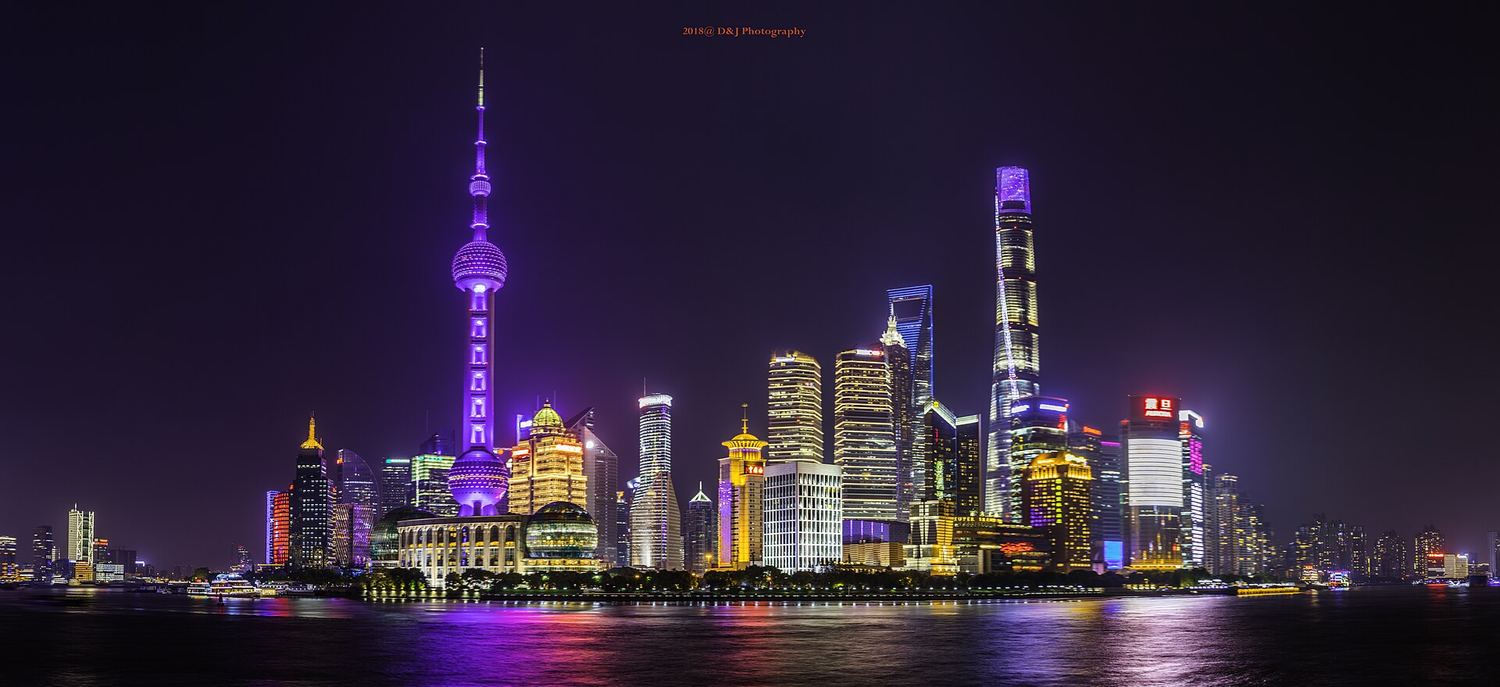
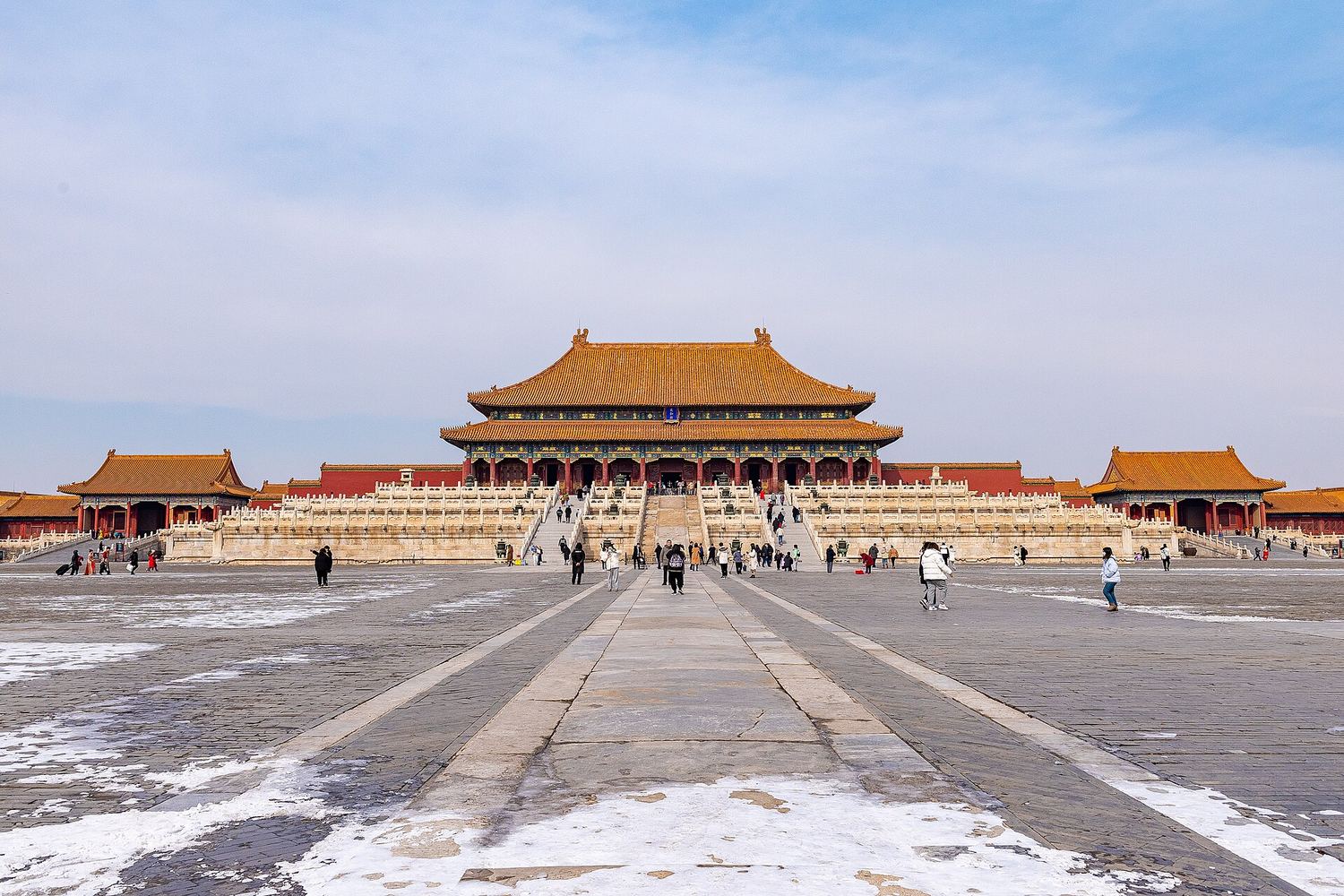
Shanghai or Beijing for a First Trip to China?
The two obvious entry points are completely different cities. Which one suits you depends on what you actually want from a first China trip.
Read the article →
In hotels, yes. On the street, mostly not. Here is how to get things done anyway, and where English really does work.
English proficiency in China is uneven, and lower than most first-time visitors from Malaysia or Singapore expect. In four- and five-star hotels, international airports and high-speed rail stations, you will manage. In a neighbourhood restaurant, a taxi or a market, you mostly will not.
That is not hostility — it is simply that English is not widely taught for conversation outside the big cities, and tourists are concentrated in a few districts, so there is little everyday pressure to learn it.
Hotels. Front desk staff at international brands and most four-star Chinese hotels speak workable English. Airports and major rail stations. Signage is bilingual and there is usually English-speaking staff at information desks. Major attractions. Ticketing and audio guides are bilingual. Shanghai. Noticeably better than anywhere else, especially in the city centre.
Also worth knowing: written communication is easier than spoken. Many younger Chinese read English well even if they are shy about speaking it, which is why a translation app on your phone works so reliably.
Smaller cities and rural areas, local restaurants away from tourist strips, taxis, markets, and anyone over about 45. In Zhangjiajie, Fenghuang, Longji and much of Yunnan, expect very little English at all. This is exactly where independent travellers get stuck — not in Beijing.
Translation apps. Both Google Translate (needs a VPN) and the built-in camera translation in most phones work well for menus and signs. WeChat has decent built-in translation. Download Chinese offline before you fly for use without data.
Screenshots of addresses. Have your hotel name and address saved in Chinese characters on your phone. Show it to a taxi driver and you are done — this one habit solves most transport problems.
A few phrases. Ni hao (hello), xie xie (thank you), duo shao qian (how much) and bu yao la (no chilli) will get a warm reaction and go a long way.
Photos of dishes. In a restaurant with no English menu, point at what someone else is eating. It works.
Every trip we run includes an English-speaking guide, and on our Southeast Asia routes we can usually also arrange Malay or Mandarin. Your guide handles every conversation — ordering, tickets, directions, pharmacies, a doctor’s visit if it comes to that.
The difference is not just convenience. With a guide you eat in the restaurants locals actually rate rather than the ones with picture menus, and you are not spending your holiday solving logistics.

Tell us your dates, who is travelling and roughly what you want to see. Within 24 hours a China-based planner sends you a day-by-day itinerary with everything itemised — free, and with nothing to pay until you approve it.
Monday–Sunday, 09:00–21:00 Beijing time (UTC+8)
Free written itinerary within 24 hours