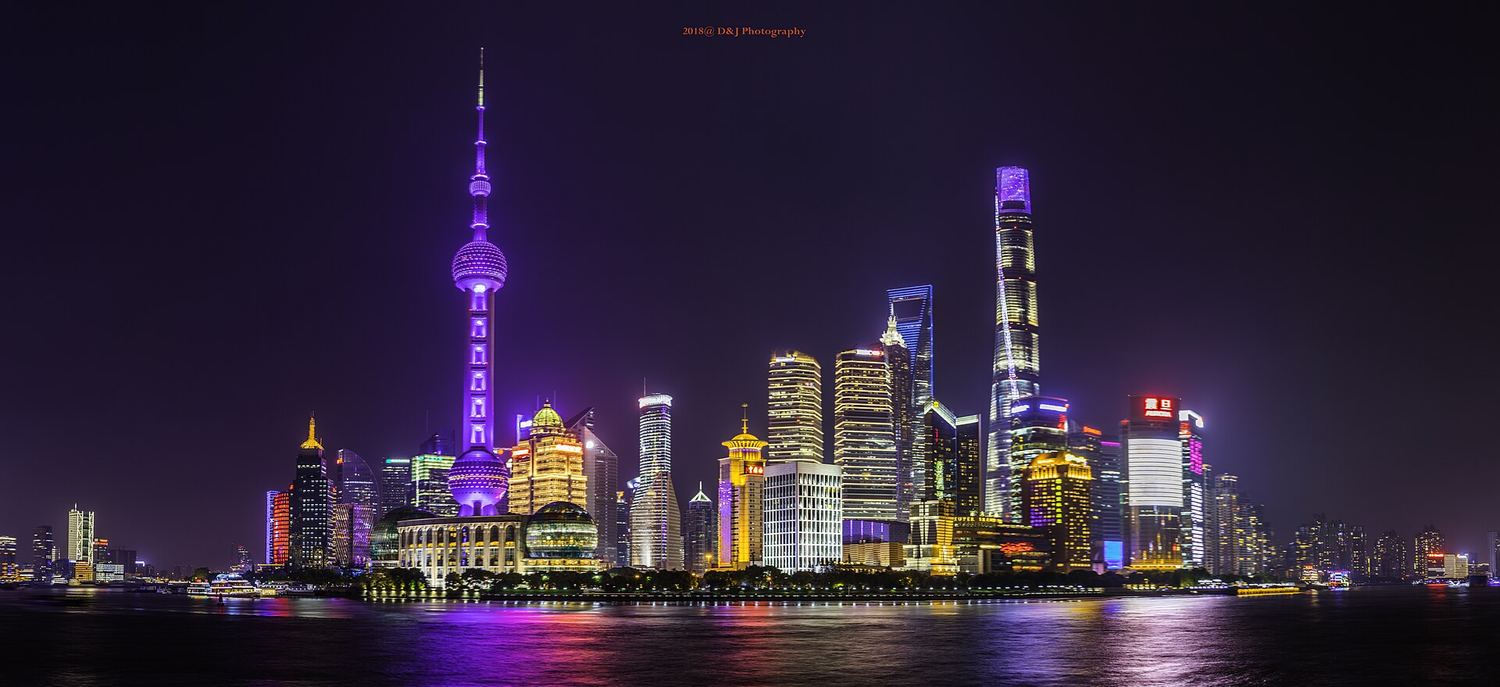
Shanghai or Beijing for a First Trip to China?
The two obvious entry points are completely different cities. Which one suits you depends on what you actually want from a first China trip.
Read the article →
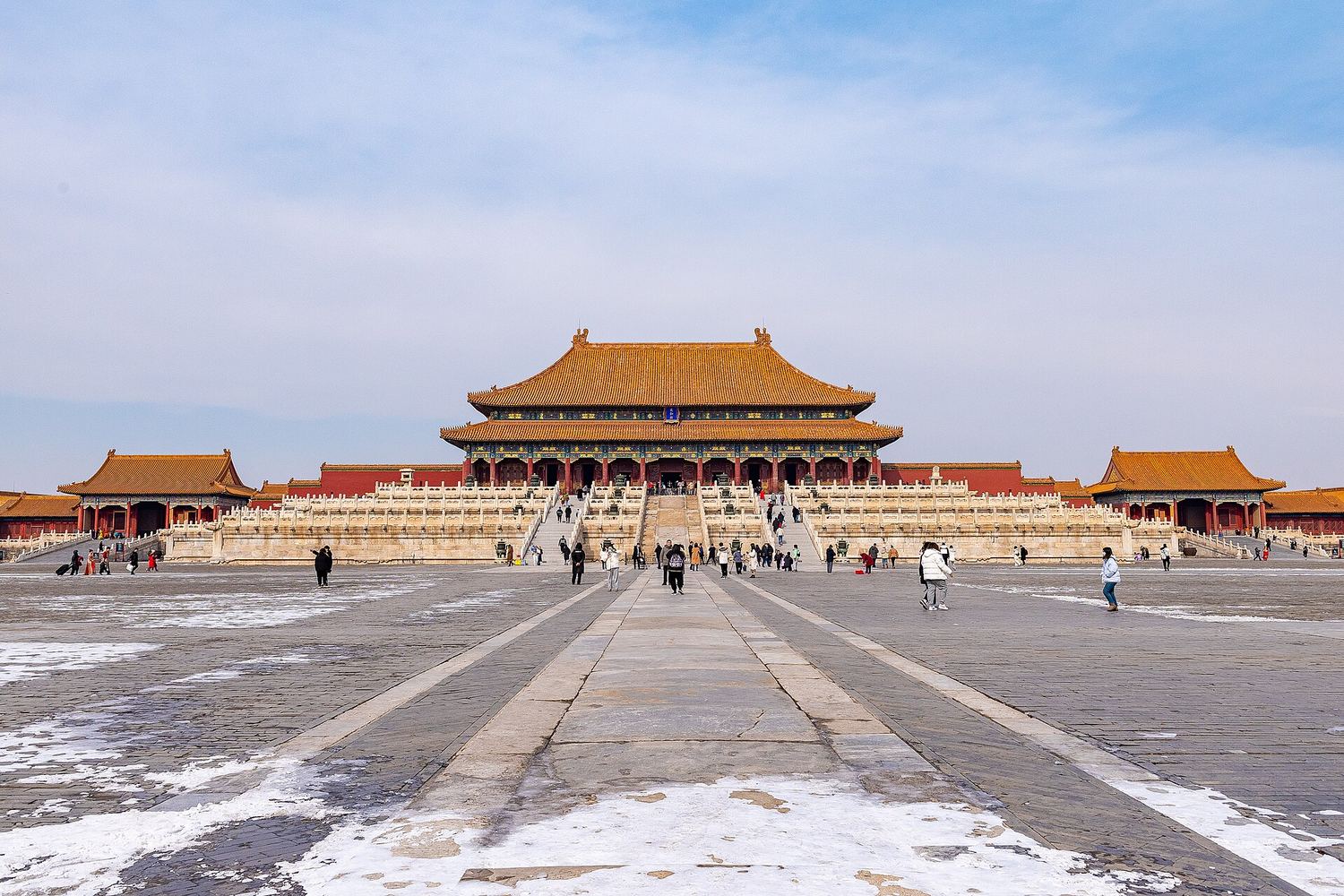
China is statistically one of the safest countries a tourist can visit. Here is what that actually means day to day, and the three things that do catch visitors out.
Yes. China is one of the safest places in the world for a visitor, and that is not a marketing line — it is the thing almost every guest tells us in their post-trip survey. Violent crime against foreigners is rare enough to be newsworthy when it happens. Walking alone at 11pm in Beijing or Chengdu is unremarkable. Leaving a phone on a cafe table while you go to the counter is normal.
What does exist is petty opportunism around crowded tourist sites, and a set of practical hazards that are not crime at all: traffic, altitude, heat and online scams. Those are the things worth preparing for, and they are what this article covers.
The most striking thing for first-time visitors from Southeast Asia is the sheer density of people and the low level of street disorder. No visible drug trade, no aggressive begging, no drunk groups at 2am in city centres. Metro stations have security screening on every entrance. Police presence is constant but low-key.
Women travelling alone consistently report feeling comfortable here, including at night. That is a real difference from many destinations and worth saying plainly.
1. Traffic. This is the genuine risk. E-bikes and scooters are silent, fast, and often travel the wrong way down a lane or on the pavement. Look twice, and never assume a green pedestrian light means an empty road.
2. Online scams aimed at travellers. Fake airline refund messages, fake hotel booking confirmations, and WeChat or WhatsApp approaches offering cheap tours. We are not aware of a single guest of ours being caught by these, because we handle their bookings, but if you are booking independently, treat any unsolicited message about your trip with suspicion.
3. Tourist-area touts. Men offering you a “student art exhibition” or a “tea ceremony” near Tiananmen Square or the Shanghai Bund are running a high-pressure sales routine ending in a bill for several hundred dollars. Decline and walk on.
China is effectively cashless, which is also a safety benefit: you are not carrying a wallet full of cash. Set up Alipay and WeChat Pay before you fly so you are not an obvious target fumbling with notes.
If something goes wrong, dial 110 for police, 120 for an ambulance and 119 for fire. English is not guaranteed, so if you are on a tour with us, message your coordinator on WhatsApp and we handle the conversation in Chinese. Most cities also have a tourist assistance line.
Tap water is not drinkable — hotels provide bottled water and kettles, and bottled water is sold on every corner. Street food is generally safe if it is cooked in front of you and busy; see our separate piece on eating safely.
Two real health risks are heat and altitude. Shanghai and Guangzhou hit 35°C with high humidity in July and August. Lhasa and Shangri-La start above 3,000 metres and need a genuine acclimatisation day. Both are manageable with planning, and both are things we build into itineraries rather than leave to chance.
Every itinerary we run includes a private vehicle and driver-guide rather than public transport, which removes the traffic risk almost entirely and means someone local is with you all day. You get one WhatsApp number for your whole trip that reaches a real coordinator in China, not a call centre queue. Airport transfers are booked, so there is no arriving at midnight and negotiating with a taxi driver.
Tell us your dates, who is travelling and roughly what you want to see. Within 24 hours a China-based planner sends you a day-by-day itinerary with everything itemised — free, and with nothing to pay until you approve it.
Monday–Sunday, 09:00–21:00 Beijing time (UTC+8)
Free written itinerary within 24 hours