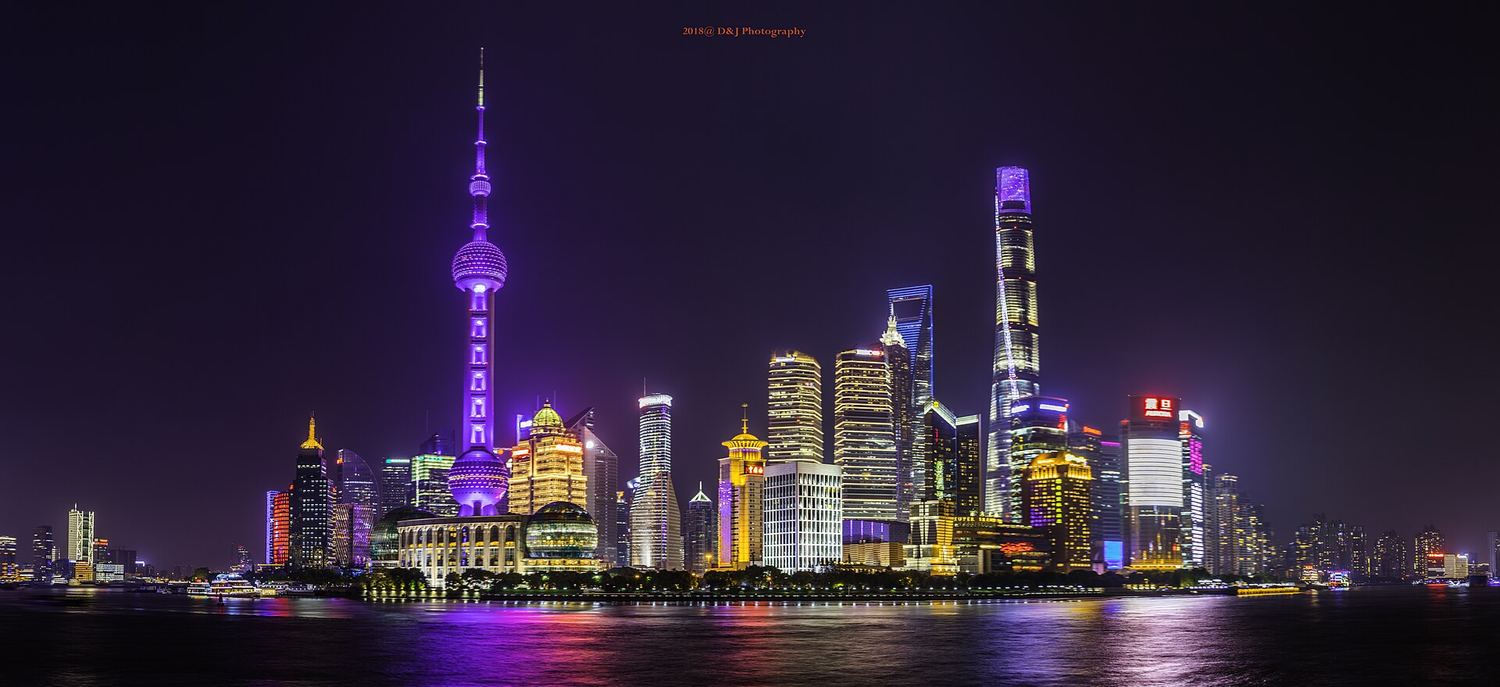
Shanghai or Beijing for a First Trip to China?
The two obvious entry points are completely different cities. Which one suits you depends on what you actually want from a first China trip.
Read the article →

The things people forget, the things you should not bring, and why a power bank matters more than a third pair of shoes.
Chinese airport and rail security is stricter than most travellers expect, and confiscation is routine.
No lighters in hand luggage or on high-speed rail. No aerosols over the small size, no full-size deodorant spray. No liquids over 120 ml in carry-on for rail travel. Power banks are fine and indeed essential — but they must be in hand luggage, never checked, and there are capacity limits on flights.
Also leave the Swiss Army knife at home. It will be taken.
A power bank. Your phone is your payment method, your translator and your map. If it dies you are genuinely stuck. Bring one, and a cable.
A universal adapter with a Type I plug. China uses the same plug shape as Australia, and while most hotel rooms have a couple of multi-standard sockets, you will want more if you are charging a phone, a camera and a power bank.
Tissues and hand sanitiser. Public toilets frequently do not supply paper. This is the most common complaint from first-time visitors and the easiest to solve.
Chinese addresses saved as screenshots. Not physical items, but the single most useful thing on your phone: your hotel name and address in Chinese characters, for showing taxi drivers.
Beijing and the north, Nov–Feb: properly cold, down to −8°C and windy. A real coat, thermal layers, gloves, hat. The Great Wall in February is no place for a light jacket.
Shanghai and the east in summer: 33–38°C with high humidity. Light, loose, quick-drying. Two pairs of shoes, because you will sweat through them.
The south, April–September: hot and wet. A compact umbrella or light rain shell is worth more than a coat.
Tibet and high Yunnan: strong sun, cold nights, big temperature swings. Layers plus a hat and sunblock. And bring lip balm — the dryness catches everyone out.
Everywhere: comfortable walking shoes. China is a walking country, and average daily steps on our itineraries run 8,000–15,000.
Bring any prescription medicine in its original packaging with the prescription, and enough for the whole trip. Chinese pharmacies are excellent and cheap for common remedies, but branded equivalents differ. Paracetamol, rehydration salts, plasters, a stomach remedy and insect repellent for southern routes cover almost everything.
If you are heading to Tibet or high-altitude Yunnan, we brief you separately on altitude and what to do about it. It is manageable, but it is not something to improvise.
You do not need to bring food. China’s larger cities have good halal availability, as do Xi’an, Guangzhou, Kunming and the Hui regions, and we pre-confirm every restaurant on your route. For long days in Zhangjiajie, Tibet or rural areas, we arrange a packed halal lunch rather than leaving it to chance.
Worth packing: a small prayer mat and a travel prayer-time app, and a note of your requirements in Chinese characters that your guide can show a kitchen. We supply a printed version with your itinerary.

Tell us your dates, who is travelling and roughly what you want to see. Within 24 hours a China-based planner sends you a day-by-day itinerary with everything itemised — free, and with nothing to pay until you approve it.
Monday–Sunday, 09:00–21:00 Beijing time (UTC+8)
Free written itinerary within 24 hours